Where to Get Started with Automating Your Bagging Process

April 18, 2024

Start by defining the packing problem

Hand packing is flexible, but it becomes difficult to scale when operators repeatedly open bags, count products, apply labels and seal every pack as separate steps. The first stage of automation is identifying which part consumes the most time or creates the most errors.

Record daily and peak volumes, bag sizes, product variations, operator time, labelling requirements and changeover frequency. This creates a baseline against which a proposed system can be tested.

Step 1: review the products

Document dimensions, weight, shape, quantity per bag, orientation, sharp edges and any static-control, corrosion-protection or traceability requirements. These details determine whether operator loading remains best or whether products can be counted, weighed and fed automatically.

Step 2: choose the bagging platform

SEVERN-DT tabletop bagging machine

For components, kits and spares, the SEVERN-DT opens and presents pre-opened bags, heat-seals the completed pack and advances the next bag. It is available in 200mm and 300mm configurations, can run suitable poly or paper bags, and can include optional SATO inline printing or a label-applicator configuration.

E-commerce bagging machine

For varied fulfilment orders requiring shipping labels, the e-commerce bagging machine forms right-sized, four-side-sealed bags from roll-fed film. Inline labelling and two widths support different product profiles.

Step 3: decide how products will be loaded

Operator loading is often appropriate for frequent product changes, modest batches or difficult items. For repeatable, higher-volume products, Severn Packaging offers automation and infeeds:

  • SEVERN-CC counting conveyor for counting suitable loose products.
  • SEVERN-CS counting scale for quantity calculation by weight.
  • SEVERN-BF bowl feeder for orienting and presenting suitable products.
  • Pack-verification equipment for applications requiring an additional check.

A trial is essential because product behaviour determines whether automatic feeding will be dependable.

Step 4: define the printing requirement

List every item required on the pack, including descriptions, part numbers, barcodes, batch information and customer data. Confirm where the information originates and whether it changes for every bag or between batches. Test the printer, software, bag material and print area together.

Step 5: specify the packaging material

Severn Packaging supplies auto bags, auto bagging film, fan-folded mail bags and thermal transfer ribbons.

Selection should consider machine compatibility, protection, seal strength, recycled content, printing and specialist requirements such as VCI or antistatic performance.

Step 6: test the complete application

A useful trial includes representative products, realistic quantities, proposed bag sizes and actual print data. Measure output, changeovers, ergonomics, print quality and seal consistency. This makes it possible to compare operator loading with automated feeding and build a realistic business case.

Contact Severn Packaging to arrange an application review, demonstration or trial.

More News

View all
Blog / Bagging

Where to Get Started with Automating Your Bagging Process

Learn how to assess products, volumes, printing and feeding requirements before choosing a tabletop, automated or e-commerce bagging system.

April 18, 2024
6 min read
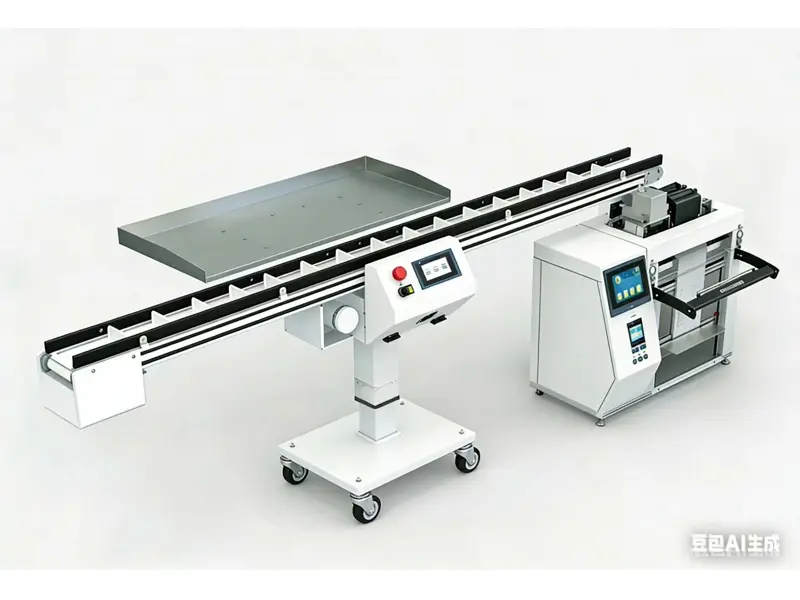
SEVERN-CC counting conveyor connected to a SEVERN-DT bagging machine
Share this

Start by defining the packing problem

Hand packing is flexible, but it becomes difficult to scale when operators repeatedly open bags, count products, apply labels and seal every pack as separate steps. The first stage of automation is identifying which part consumes the most time or creates the most errors.

Record daily and peak volumes, bag sizes, product variations, operator time, labelling requirements and changeover frequency. This creates a baseline against which a proposed system can be tested.

Step 1: review the products

Document dimensions, weight, shape, quantity per bag, orientation, sharp edges and any static-control, corrosion-protection or traceability requirements. These details determine whether operator loading remains best or whether products can be counted, weighed and fed automatically.

Step 2: choose the bagging platform

SEVERN-DT tabletop bagging machine

For components, kits and spares, the SEVERN-DT opens and presents pre-opened bags, heat-seals the completed pack and advances the next bag. It is available in 200mm and 300mm configurations, can run suitable poly or paper bags, and can include optional SATO inline printing or a label-applicator configuration.

E-commerce bagging machine

For varied fulfilment orders requiring shipping labels, the e-commerce bagging machine forms right-sized, four-side-sealed bags from roll-fed film. Inline labelling and two widths support different product profiles.

Step 3: decide how products will be loaded

Operator loading is often appropriate for frequent product changes, modest batches or difficult items. For repeatable, higher-volume products, Severn Packaging offers automation and infeeds:

  • SEVERN-CC counting conveyor for counting suitable loose products.
  • SEVERN-CS counting scale for quantity calculation by weight.
  • SEVERN-BF bowl feeder for orienting and presenting suitable products.
  • Pack-verification equipment for applications requiring an additional check.

A trial is essential because product behaviour determines whether automatic feeding will be dependable.

Step 4: define the printing requirement

List every item required on the pack, including descriptions, part numbers, barcodes, batch information and customer data. Confirm where the information originates and whether it changes for every bag or between batches. Test the printer, software, bag material and print area together.

Step 5: specify the packaging material

Severn Packaging supplies auto bags, auto bagging film, fan-folded mail bags and thermal transfer ribbons.

Selection should consider machine compatibility, protection, seal strength, recycled content, printing and specialist requirements such as VCI or antistatic performance.

Step 6: test the complete application

A useful trial includes representative products, realistic quantities, proposed bag sizes and actual print data. Measure output, changeovers, ergonomics, print quality and seal consistency. This makes it possible to compare operator loading with automated feeding and build a realistic business case.

Contact Severn Packaging to arrange an application review, demonstration or trial.

Need advice?
Book a free packaging audit
Our engineers visit your site, review your flow, and send a 90-day action plan.