From Bench To Branded: Elevate Your Packroom With Autobags And On‑Line Printing
If post‑peak has exposed bottlenecks in your dispatch or returns, now is the moment to reset your pack benches for the year ahead. Table top bagging machines and e‑commerce bagging lines can give you speed andaccuracy, but the real gains come when you pair them with the right consumables and on‑line printing so every order leaves fast, correctly addressed, and on brand.
What is an autobag, and why do operations teams love them?
An autobag is a pre‑made bag designed for automated or semi‑automated bagging machines. The bag is supplied either fan‑folded or on a roll, pre‑opened at the top edge and perforated so your machine can index thenext bag into position. You place the item into the open mouth, the system seals, prints if required, and presents the next bag. Minimal handling, predictable cycle times, and consistent seals. If you are moving fromhand‑loading mailers, the step change in seconds per pack is immediate.
At Severn Packaging we support high‑speed lines such as Speedpack 300 to 550 that run both bags‑on‑roll and tubular film. They are built for busy e‑commerce benches where you need quick changeovers, reliablefeeding and clean, uniform seals that pass carrier drop tests.
What are pre‑opened bags on a roll?
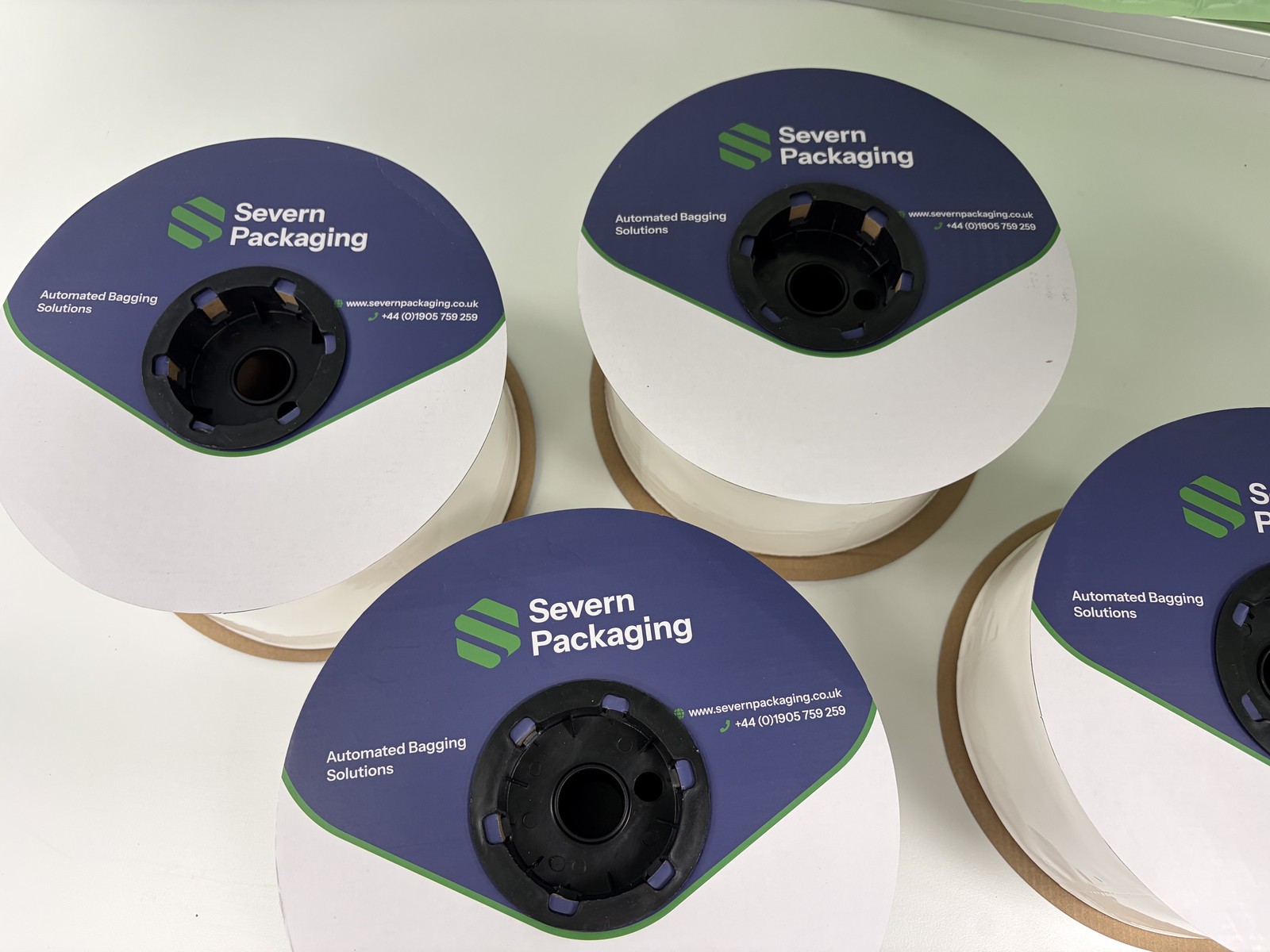
Pre‑opened bags on a roll are continuous, perforated bags wound on a core. Each bag arrives with one side fully open. Your bagging machine indexes a single bag to the fill position, keeps the mouth open for theoperator or a chute, then seals and separates. Pre‑opened rolls are popular because they feed smoothly, support high throughput, and pair well with on‑line print engines for address, barcode and brand graphics.
A similar format is fan‑folded mail bags. The same pre‑opened construction is zig‑zag stacked in a carton rather than wound. The choice between the two is usually about floor space, handling preferences, and the bagsize range you run most often.
Next‑Bag‑Out printing: address and branding in one pass
Next‑Bag‑Out printing is an on‑line print feature that prints the next bag in the queue with the correct shipment data. Your WMS sends order details as the current bag seals. The machine then prints the next bag with therecipient address, order number, returns barcode, and brand elements, so the correct artwork appears on the bag that will be filled next.
Benefits you will notice on day one:
No separate labelling step, so fewer touches per pack.
Fewer mislabels, because the print is tied to the machine cycle.
Cleaner presentation, since your logo, care marks and QR codes sit directly on the material.
It also pays off during peak returns. When you are processing seasonal returns, you can scan the inbound item, trigger a fresh outbound label on the next bag, and reseal in one motion. That keeps benches flowing andshortens time to resale.
Fan‑folded mail bags vs rolls: which is better?
Both formats work well on modern baggers. Use this quick guide to decide:
Choose rolls if you want maximum throughput on a single size. Rolls feed continuously with low friction and fewer reloads, ideal for long runs of the same SKUs.
Choose fan‑fold if your benches are space constrained or you run many sizes. Cartons stack neatly under or beside the bench, reduce spindle changes, and make it easier to swap sizes or materials mid‑shift.
For many teams, the best answer is mixed media. Run your top two movers on rolls for speed, and keep niche sizes in fan‑fold cartons for flexibility. Your Severn Packaging specialist can help profile your order file to alignformats with volume tiers.
Can you run paper mailing bags on automated systems?
Yes. Hybrid and paper‑capable machines can run certified paper mailing bags for lighter soft goods, apparel, and returns. Paper provides a recyclable, brand‑friendly finish, often without needing void fill. You will wantconsistent paper caliper, clean edge quality, and paper bag designs with peel‑and‑seal closures suited to heat or pressure sealing, depending on your machine. If you are testing paper, run a short A/B pilot on your topSKUs and measure cycle time, seal integrity, and carrier damage rates before scaling.
Explore options and trade‑offs in our guidance on sustainable packaging, including paper, PCR polythene, and right‑sizing strategies.
Sustainability that fits your SLA
You can reduce impact without hurting throughput:
PCR content polythene. Move to 30 percent or higher post‑consumer recycled film while maintaining seal strength. Specify film optimised for automated feeding to avoid stoppages.
Paper mailers where product fit is right. Apparel, soft accessories, and small boxed goods do well in paper with peel‑and‑seal closures.
Right‑sizing with mixed formats. Use narrow, short bags for small picks and reserve larger sizes for bundles to cut grams per order.
We can match film and paper to your machines and provide printed art templates so branding stays sharp on both substrates. If you need a pre‑branded look from day one, consider custom printed bags for promos,returns instructions, or QR codes that drive exchange flows.
Pack bench layout tips for compact spaces
Small benches can be high output when everything lives within the operator’s reach:
Put the bagger to the operator’s dominant side, with the bag mouth angled toward the pick area.
Stage fan‑fold cartons under bench height; mount rolls on a low‑friction spindle with quick‑release cones.
Mount the scanner, keyboard and small screen on a slim arm so hands stay close to the load area.
Keep a short chute or shelf at bag mouth height so products do not drop and distort the seal area.
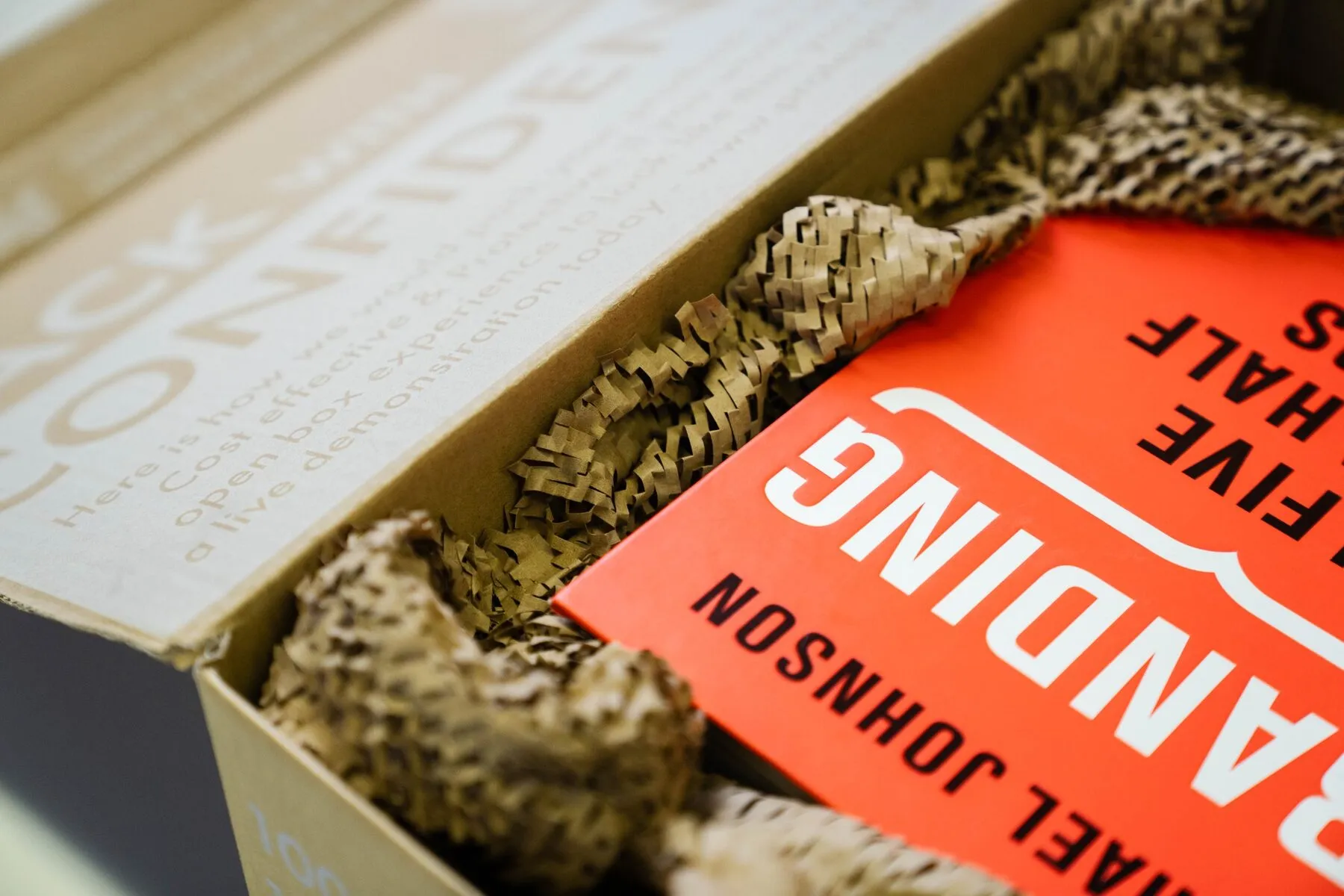
Position protective materials within one reach. Paper void fill systems such as Hexafil or compact honeycomb like Hexcel MiniPack sit well on narrow benches.
Use a rollable stand for mobile machines when you need to swing capacity between returns and outbound during late afternoons.
Standardise your SOPs. One best method per SKU type, a simple size matrix on the screen, and clear rules for when to step up a bag size. Seconds saved here compound across thousands of orders.
A year‑end optimisation checklist
Work through this list to get ahead of Q1 promotions and late returns:
Audit order profiles. Confirm your top 20 SKUs by line count and map them to bag sizes.
Validate media. Decide which sizes run on rolls and which on fan‑fold. Test at least two sustainable options, including PCR film and paper mailing bags.
Enable Next‑Bag‑Out. Integrate address, GS1 barcodes and brand graphics so you eliminate separate labels.
Rework bench layout. Reduce reaches and eye shifts, add a shallow chute, and mount the scanner on a swivel.
Train and time. Run a 30‑order stopwatch test per operator and adjust SOPs to remove extra touches.
Stock spares. Keep spare seal blades, Teflon, printheads and platen rollers on site. Schedule preventive service before promotions.
Brand the experience. Add seasonal logos or returns QR codes to the on‑line artwork to cut calls and speed exchanges.
Ready to move from bench to branded?
If you want faster packs, cleaner addresses, and a stronger unboxing experience, pair the right autobags with on‑line printing and a compact bench layout. We can help you select formats, set up Next‑Bag‑Out, and pilotpaper or PCR options without risking throughput.
Learn more about autobags and compatible films with our overview on autobags.
Looking to run variable volumes at one bench, explore our table top bagging machine options.
If brand is a priority, review our custom printed bags for pre‑printed campaigns and repeatable artwork.
Summary: Autobags are pre‑made, pre‑opened bags in roll or fan‑fold formats that let you automate filling and sealing. Next‑Bag‑Out prints addresses and branding directly to the bag, removing labelling steps andreducing errors. Fan‑fold suits space‑constrained, multi‑size operations, while rolls deliver maximum speed on core sizes. Paper mailing bags are absolutely viable on modern systems for the right SKUs. Round this outwith thoughtful bench design and a simple optimisation checklist and your post‑peak packroom will be faster, more accurate, and unmistakably on brand