Autobags and automatic bagging machines: what they are and when to use them

March 18, 2026

Autobags and automatic bagging machines: what they are and when to use them

If you ship thousands of small orders, shaving seconds off each pack adds up to hours saved every day. Automated bagging turns that promise into reality by opening, filling, printing, and sealing each bag in a single, repeatable flow.

This guide explains what an Autobag is in industry terms, how automatic bagging machines work, where they fit best across e-commerce, retail, healthcare, and light manufacturing, and how to choose between compact tabletop units and floor-standing e-commerce systems. You will also find practical guidance on film options, right-sizing to reduce dimensional (DIM) weight, and a concise framework to select the right setup for your operation.

Severn Packaging supplies, installs, and supports automated bagging across the UK, with the Speedpack 300–550 range, premium auto bagging film, and paper or PE options. Book a demo or a packaging line audit to validate seconds-per-pack and grams-per-order before peak hits.

What is an Autobag, really?

Autobag is often used as a catch-all term, but it has two meanings in the market:

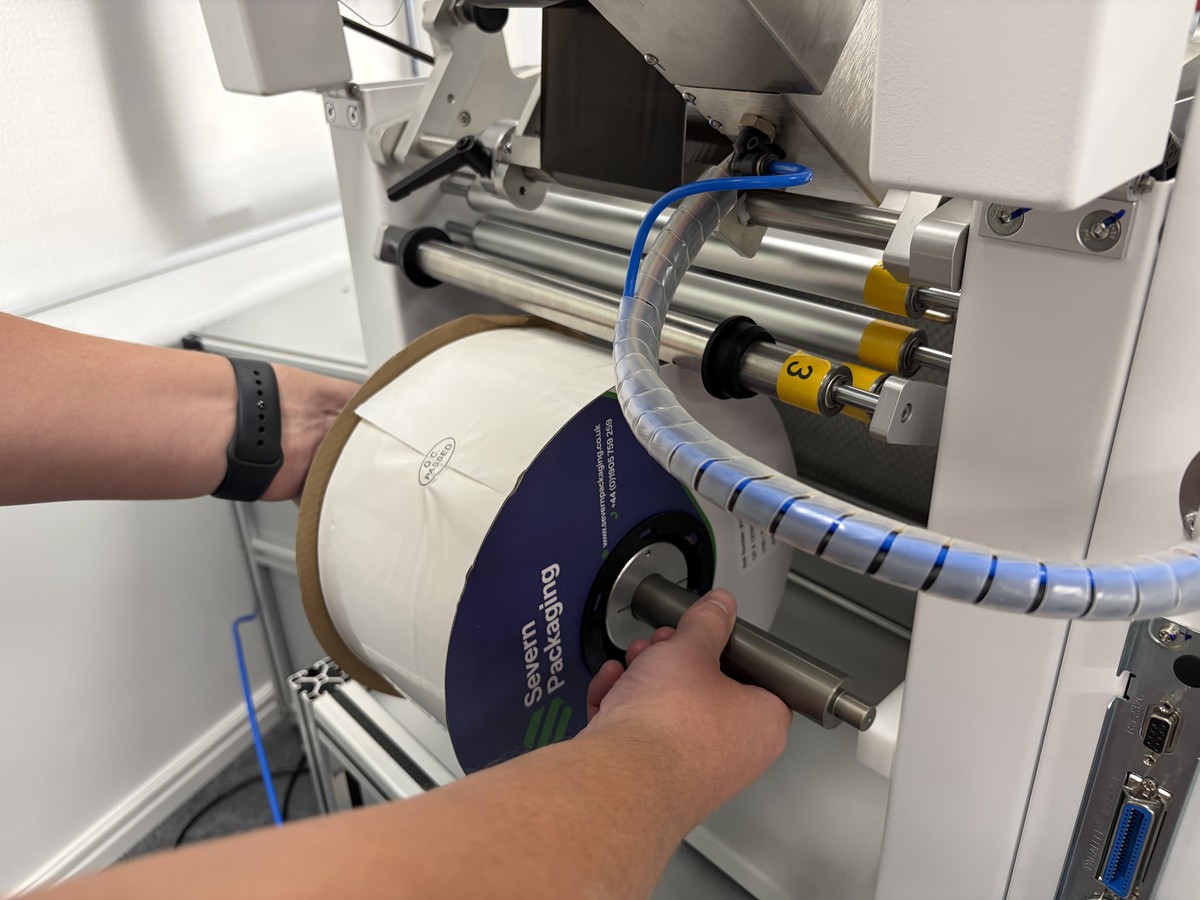
  • Generic category usage: pre-opened bags-on-a-roll designed for use with automatic bagging machines. These bags are connected, indexed, and perforated so the machine can feed the next bag, open it for loading, then print and seal before advancing the roll.
  • Brand usage: Autobag is also a registered brand name used by a specific manufacturer. In common industry conversation, many teams still say “Autobags” when they mean pre-opened bags-on-a-roll from any compatible supplier.

At Severn Packaging, we use “autobags” in the generic sense and supply premium auto bagging film and bags-on-a-roll that run reliably on the Speedpack range and other compatible autobagging machines.

What is a bagging machine and how does it work?

A bagging machine automates repetitive pack steps for small-to-medium items. Typical workflow:

  1. Feed: the machine advances the next pre-opened bag from a roll or fan-fold stack.
  2. Open: an air blast or mechanical opener holds the mouth of the bag ready.
  3. Load: the operator or an upstream device places the item inside.
  4. Print: with Next-Bag-Out inline printing, order data, barcodes, and branding print onto the next bag in sequence, removing a separate labelling step.
  5. Seal and separate: the top is sealed; the bag is cut from the roll; the next bag is presented automatically.

This closed-loop flow improves speed and traceability and reduces mis-labelling because print data is tied to the pack cycle.

Inside the Speedpack 300–550 range

Severn Packaging deploys the Speedpack 300, Speedpack 300 Dual, and Speedpack 550 to match different volumes, bag formats, and integration needs.

  • Format flexibility: run bags-on-roll or tubular film for on-the-fly size changes and fewer consumable swaps.
  • Next-Bag-Out inline printing: print addresses, order IDs, barcodes, and brand elements directly onto the bag, so you can retire separate label printers for these orders.
  • Throughput and changeovers: consistent feeding, quick changeovers, and optional dual-lane operation on the Speedpack 300 Dual to boost two-stream throughput.
  • Materials: compatible with premium auto bagging film plus eco-focused paper or PE bags.
  • Deployment: portable stands and compact footprints make it easy to redeploy between benches or create temporary peak stations.

Typical wins include faster e-commerce dispatch, tidy presentation in retail kits, improved sterility and traceability for healthcare consumables, and efficient bagging of small components in light manufacturing.

Tabletop units vs floor-standing e-commerce machines

The right machine depends on order profile, SKU breadth, and space.

  • Tabletop or bench-integrated units: best for moderate throughput, multi-SKU operations, and teams that value flexibility. They fit on or beside a packing bench, suit apparel, accessories, and spares, and redeploy quickly for pop-up or seasonal benches.
  • Floor-standing e-commerce bagging machines: ideal for higher sustained throughput, larger bag sizes, integrated conveyors, and in-line weighing or scanning. Choose these when you need stable, continuous runs with minimal operator movement and straightforward induction from pick to pack.

If you are unsure, run a short pilot at one bench. Measure seconds-per-pack, first-time-right percentage, and operator fatigue. Then scale to floor-standing once the flow is proven and consistent.

Film choices, right-sizing, and sustainability

Choosing the right bag material affects speed, cost, and sustainability outcomes.

  • Premium auto bagging film: engineered for consistent feeding and strong seals at speed. It reduces stoppages and keeps seals tidy for clear barcodes and branding.
  • Paper or PE bags: paper improves recyclability perception for lighter items; modern PE films can be thin yet strong, often lowering grams-per-order. Both options can be printed inline for brand consistency.
  • Right-sizing to cut DIM weight: the Speedpack’s format flexibility helps you match bag size to contents. Tighter packs reduce air, shrink DIM weight, and cut void fill. Over thousands of orders, that can materially reduce freight charges and material usage.

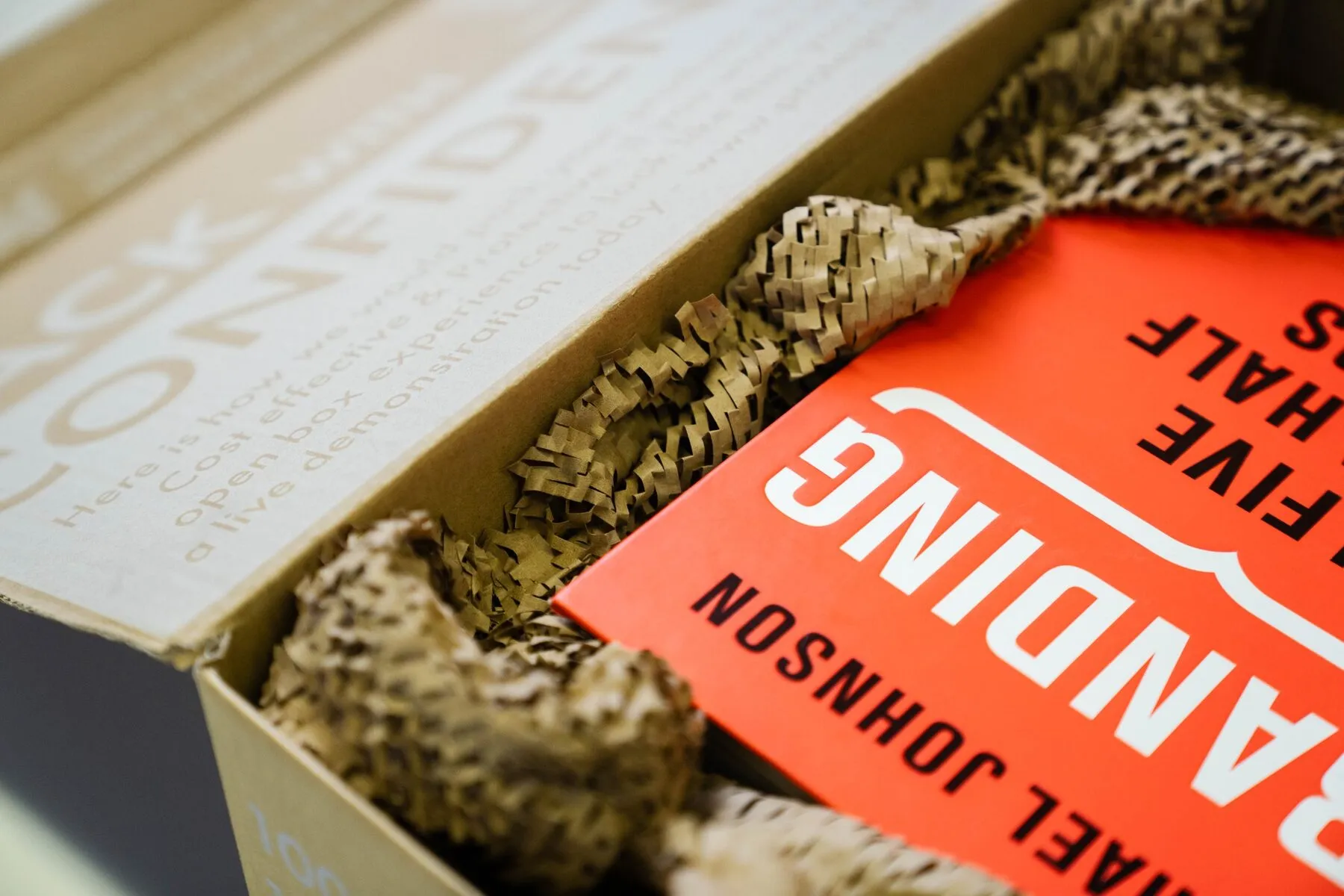
Where items still need surface protection, specify the lightest protective system that achieves the required drop and scuff performance. For paper-based protection ideas, see Severn Packaging’s guidance on sustainable packaging solutions to balance protection, presentation, and recyclability.

Where automated bagging excels

  • E-commerce: apparel, accessories, returns relabelling, and subscription lines benefit from Next-Bag-Out printing and fast size changes.
  • Retail and wholesale: kitting of small sets, barcode consistency, and clean presentation.
  • Healthcare: traceable packs for consumables and devices, with strong, repeatable seals.
  • Light manufacturing: bagging of components and spares with part numbers printed in-line for inventory accuracy.

FAQs

  • What is an autobag?
    An autobag is a pre-opened bag-on-a-roll designed for automatic bagging machines. The term is used generically in the trade, although Autobag is also a specific brand.

  • What is a bagging machine?
    It is equipment that feeds, opens, fills, prints, and seals bags in a single workflow to accelerate small-item packing and improve consistency.

  • What are the different types of bagging?
    Common types include manual bagging with a heat sealer, semi-automatic bench units using pre-opened bags, fully automatic floor-standing systems for e-commerce, and specialist variants for paper bags or tubular film.

  • What is a bagging operative?
    A bagging operative is the operator who loads items, verifies order data, and oversees the machine, ensuring seals, prints, and output match required standards.

  • What is the aim of bagging?
    To protect products, present them neatly, and move them through fulfilment quickly and accurately with traceable labelling and reliable seals.

A concise selection framework

Use this short checklist to define your next step:

  • Order profile: average lines per order, item fragility, and returns rate.
  • SKU variety: frequency of size or material changeovers across shifts.
  • Throughput targets: peak-hour orders, takt time, and acceptable seconds-per-pack.
  • Space and mobility: bench integration, portable stands, or fixed floor space.
  • Sustainability goals: paper vs PE, film gauge, and grams-per-order reduction.

Severn Packaging can help you benchmark your current pack flow and validate gains with a pilot, then specify the right Speedpack model, bag spec, and inline printing setup.

Helpful resources

If you are exploring materials and upstream or downstream equipment, these pages may help:

Summary and next step

Autobags are pre-opened bags-on-a-roll that, paired with the right automatic bagging machine, deliver faster, cleaner, and more traceable packs. The Speedpack 300–550 range brings format flexibility, Next-Bag-Out inline printing, and proven reliability to e-commerce, retail, healthcare, and light manufacturing. Choose tabletop units for agility and bench integration or floor-standing machines for sustained, higher throughput. Match film to your goals, right-size every pack, and measure grams-per-order to reduce both cost and impact.

Ready to see it in your operation? Book a demo or a packaging line audit with Severn Packaging to validate seconds-per-pack and grams-per-order before peak. We will help you build a data-backed case, then deploy with confidence.

More News

View all

More News

View all