New Year, New Throughput: A Practical Guide To Right‑Sizing Your Packroom Equipment

January 6, 2026

New Year, New Throughput: A Practical Guide To Right‑Sizing Your Packroom Equipment

Peak is behind you, KPIs are back on the table, and Q1 is the perfect window to fix the bottlenecks you felt in November and December. Right‑sizing your packroom is not about buying the biggest machine you can find, itis about matching your real workload and SKU mix to the right kit, setting up basic maintenance, and training operators so the gains stick. This guide walks you through a practical audit, maps common product profiles tofit‑for‑purpose machines, and closes with a simple maintenance calendar and training plan you can roll out next week.

Start with a clear-eyed audit

Before you select any new equipment, capture what is actually happening on the floor.

Throughput by cell: measure packs per hour per bench across a representative week. Note peaks by hour and day.

First-time-right rate: mis-picks, mislabels, seal failures, rework and damages on arrival. Track by SKU family and carrier.

Labour allocation: FTE per shift per cell, plus overtime spikes. Identify where teams slow down, queue, or walk too far.

SKU profile: item sizes, fragility, moisture sensitivity, order lines per parcel, and bag vs box ratio.

Pack methods and materials: where are you overusing void fill, double taping, or cutting film to length.

Changeovers and stoppages: how long to switch bag widths, replace film rolls, or troubleshoot a seal.

Document three things for each cell, current rate, best observed rate, and the constraint. That single page will point you to the smallest intervention with the biggest impact.

Choosing the right bagging machine

Treat bagging selection as a ladder, not a leap.

Low-volume or niche cells: a table top bagging machine is ideal when you run short batches, many bag sizes, or bespoke packs. It gives fast setup, minimal footprint, and a strong quality step up from manualsealing.

Growing single‑line cells: when volume steadies and operators spend more time sealing than picking, step to semi‑auto baggers with foot pedal control, adjustable seal times, and easy roll changes. Thisstabilises output without a full line rebuild.

Scaling operations with repeat SKUs: Speedpack 300 or 400 fits mid‑volume departments that need reliable speed, clean seals, and fewer stoppages. If you are pushing sustained high throughput with varied bagformats, the Speedpack 550 delivers the headroom you need. Next‑Bag‑Out printing removes a separate labelling step and reduces mislabels at speed.

Moisture‑sensitive or presentation‑critical packs: pair your bagger with a band sealer to achieve uniform, high‑integrity seals across repeated formats, especially where moisture ingress or tamper evidencematters.

How to decide quickly: match your top five SKUs to the smallest machine that can hit target rate with 20 percent spare capacity, supports your preferred film or paper bags, and has straightforward operator controls. If yourcell runs more than two bag widths per shift, prioritise changeover speed and roll handling. For context and options, see our overview for a bagging machine that aligns with your mix.

When to move from manual to semi‑auto or full automation

Use these simple thresholds.

Manual to semi‑auto: if an operator spends more than 35 percent of time sealing, trimming, or applying labels, a semi‑auto bagger or heat sealer will typically return hours per week immediately and stabilisequality. You should also move when rework from weak seals or mislabels exceeds 1 percent of orders.

Semi‑auto to automatic: if your cell routinely queues more than five orders, or you maintain overtime to clear a steady backlog, automatic bagging with integrated printing and sensors will compress cycle time, cuttouches, and pay back through labour efficiency and error reduction. Automation is also justified when you need consistent inline data capture, barcode print quality, and audit trails.

What packroom equipment gives the fastest ROI

Automatic or semi‑auto bagging where order lines are short and repeatable. The time saved removing manual labelling and sealing often funds the kit in months, not years.

Semi‑auto strapper at dispatch for bundles and outbound cartons. It removes tape loops, stabilises stacks, and cuts rework from collapsed bundles.

Entry stretch wrapper for pallets. Consistent containment lowers in-transit damage and film waste compared with manual wrapping; it also removes a high‑strain task from your team.

Secondary wins compound ROI, fewer injuries, better presentation, cleaner data on every parcel.

Mapping SKUs to the right kit mix

Small apparel, accessories, hardware spares: table top bagging machines or Speedpack 300/400, with Next‑Bag‑Out for instant labelling. Use a band sealer when you need a strong, uniform moisture barrier.

Mixed e‑commerce orders with variable sizes: Speedpack 400 for flexibility, or Speedpack 550 if you need sustained high speed plus format breadth. Keep a bench heat sealer for odd oversize items and returnsrepacks.

Kits and moisture‑sensitive items: shrink wrapping for compact, neat presentation and moisture resistance; add a band sealer for bagged components that must stay dry.

Heavy or fragile goods in boxes: semi‑auto strapper for bundle security and a stretch wrapper for stable pallets. Protective paper pads inside the carton reduce breakage without slowing packing.

If you are changing bag materials or sizes frequently, stock premium film or paper bags that run reliably through your chosen machine. Poor‑quality rolls are a hidden cause of stoppages.

Moisture control and band sealers

Where damp is a risk, a continuous band sealer provides consistent seal pressure and dwell time, which protects electronics, textiles, and components in transit and storage. Position the sealer at bench height andstandardise seal temps by material type. Log the settings on a simple SOP card at each station.

When to add a semi‑auto strapper or entry stretch wrapper

Add a semi‑auto strapper when, per hour, two or more operators spend time taping bundles or re‑taping loose cartons. Expect quicker unitisation, tidier pallets, and fewer collapsed stacks.

Add an entry stretch wrapper when manual wrapping exceeds ten pallets per shift, damage on arrival is linked to poor containment, or film consumption is inconsistent. A basic turntable model will standardisetension and cut film use. If aisles are tight or pallet sizes vary, a mobile robot wrapper provides flexibility without layout changes. Explore options for a stretch wrap machine that fits your footprint and load mix.

Do stretch wrap machines require maintenance

Yes. Light, regular attention keeps containment consistent and prevents downtime.

Daily: check film threading, clean sensors and photocells, inspect the carriage for debris, and verify pre‑stretch settings with a quick pull test.

Weekly: inspect rollers for nicks, check chain or belt tension, and verify turntable or robot wheel condition.

Monthly: test emergency stops and guarding, update programs for seasonal film changes, and review film usage against target.

Quarterly: lubricate per manufacturer guidance, check bearings, and recalibrate tension.

Store film off concrete and away from external doors, allow acclimatisation to room temperature, and rotate stock. These basics prevent brittle film and inconsistent wrap.

Protective packaging that suits your products

Match the product, not the trend.

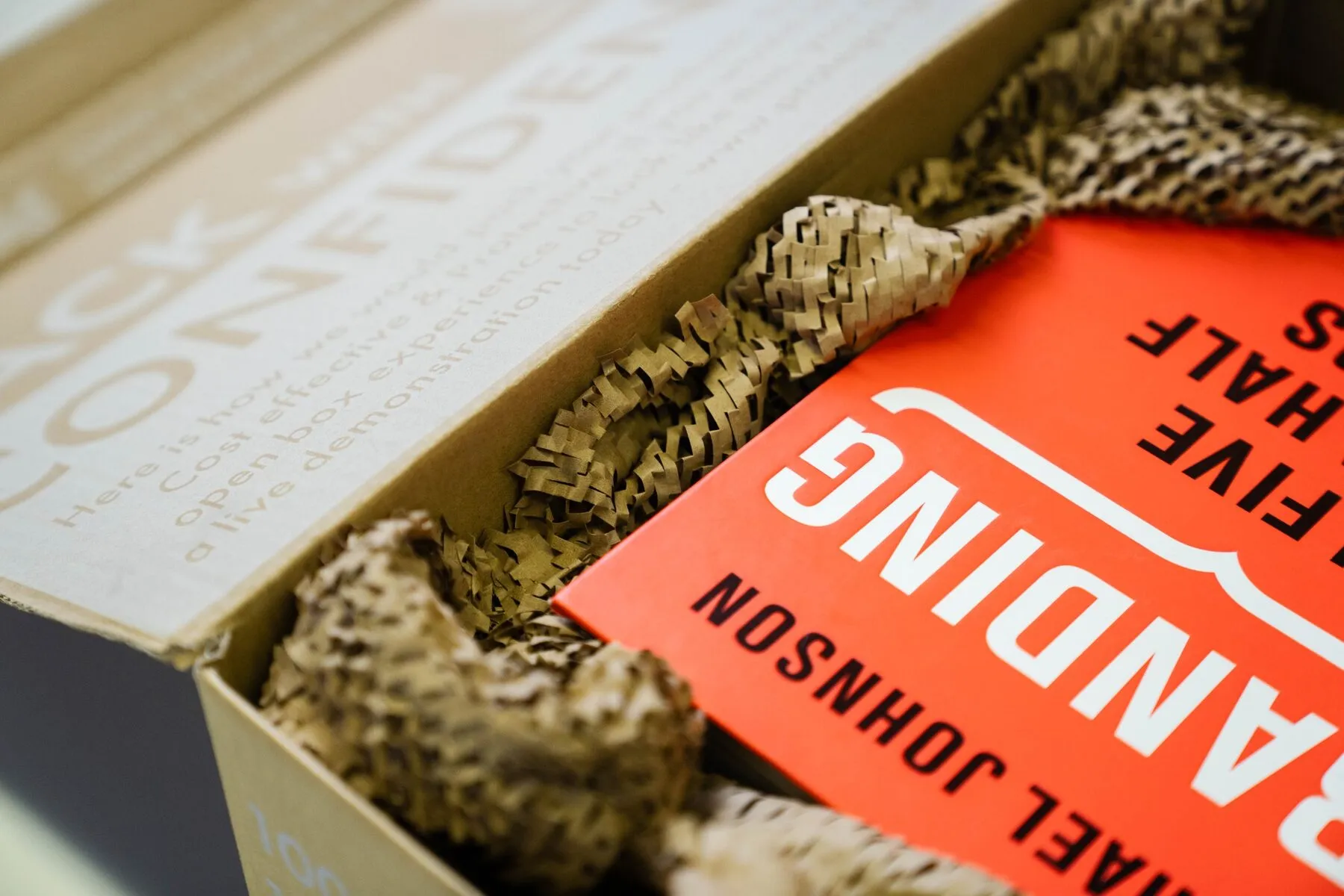
Light, mixed orders where speed matters: paper void fill such as Hexafil, ideally via an automated dispenser to maintain pace and reduce grams per order.

Presentation‑sensitive gifts and homeware: Hexcel Wrap or compact bench units that lock items in place without tape. It looks clean and reduces movement.

Heavier or fragile goods: formed paper pads that brace and cushion inside corrugated cartons, reducing breakage without plastic. For very delicate electronics, combine paper padding around the product withanti‑static pouches as required.

Moisture‑sensitive products: shrink wrapping or sealed poly bags with a verified band seal, then box and brace.

If you use air pillows today and want to cut plastic without hurting throughput, trial paper pads on your top three high‑volume SKUs for two weeks and measure seconds per pack and damage rates.

Maintenance calendar you can implement now

Week 1: inspect all sealers, replace worn Teflon and knives, clean sealing bars, and log default settings by material. Audit consumables and order spares.

Week 2: full check on strappers and band sealers, verify strap tension settings, and replace worn guides. Run five test bundles and drop test a sample pallet.

Week 3: stretch wrappers, clean sensors, inspect rollers and belts, and recalibrate pre‑stretch. Validate containment with tilt tests on two representative pallets.

Week 4: baggers, update operator profiles, review print quality for inline labels, and run a film changeover drill. Document changeover times and improvements.

Repeat monthly at lighter depth, and quarterly at full depth. Ten minutes a day per cell prevents hours of unplanned stoppage.

Operator training plan that sticks

Standard work: one laminated SOP per SKU family with photos, seal temps, bag sizes, and protective method.

Micro‑drills: 10‑minute sessions on roll changeovers, print head cleaning, and strapping head clears, run at shift start twice weekly in Q1.

Quality checks: first‑off and hourly‑off checks logged at the bench, focused on seal integrity, label scan, and pack movement in the box.

Cross‑training: at least two operators per cell certified on baggers, strappers, and wrappers to cover holidays and peaks.

Feedback loop: capture operator ideas weekly, fix what slows them down, and report back. Adoption follows respect.

Bringing it together

Right‑sizing is a disciplined cycle, audit, choose the smallest effective step, maintain it, and train people so the gains endure. Start with the cells where sealing or wrapping consumes operator time, add semi‑auto supportwhere a little mechanisation unlocks flow, and scale to Speedpack automation when volumes and queue length justify it. Strengthen moisture control with band sealing, stabilise pallets with an entry wrapper, and chooseprotective systems that match your products and brand goals.

If you want a pragmatic review of your packroom and a shortlist of options tailored to your SKU mix and KPIs, our team can help. Explore equipment, materials, and integration support, including options for a baggingmachine, and solutions for stretch wrap machines or protective packaging that deliver speed and consistency. Get in touch to plan your Q1 upgrades and set a higher baseline for the year ahead

More News

View all

More News

View all