How to Choose the Right Shrink Film for Your Product and Packaging Line

July 3, 2026

Shrink film may look like a straightforward consumable, but its performance depends on several connected decisions: the film type, width and thickness; the product being wrapped; the required finish; and the sealer and shrink tunnel applying it.

A film that performs well on one line may cause poor seals, excess material use or an inconsistent finish on another. The most reliable approach is to specify the film and machinery as one packaging process rather than treating them as separate purchases.

Severn Packaging now brings shrink film supply together with shrink-wrapping machinery, trials and application support. This gives customers one route for reviewing the product, film and equipment before a specification is agreed.

What is shrink film?

Shrink film is a heat-responsive packaging material. The product is enclosed or collated in film, the film is sealed, and controlled heat causes it to contract around the pack. Depending on the application, the finished pack can provide product protection, grouping, tamper evidence or a clear retail presentation.

Shrink packaging is used across food, household goods, cosmetics, stationery, toys, industrial products and multipacks. The correct material varies because a bakery product, printed box and heavy industrial multipack place very different demands on the film.

POF shrink film versus PE shrink film

Polyolefin (POF) shrink film

POF shrink film is commonly chosen when clarity, presentation and balanced shrink are priorities. It is suitable for many retail and transit applications and can be supplied in a range of thicknesses and widths to suit different sealers.

The supplied film brochure describes a five-layer co-extruded POF construction. Multiple layers are combined into one film structure to balance clarity, strength and shrink performance. The manufacturing range covers 10–30 micron, while the machinery catalogue lists compatible POF ranges that vary by machine. The final specification should therefore be confirmed against the actual equipment and product.

Polyethylene (PE) shrink film

PE shrink film is generally selected for stronger collation and industrial applications, including grouped products and larger packs. It is commonly used with sleeve-wrapping systems where robust containment is more important than a close retail-style finish.

The choice should not be reduced to POF for small products and PE for large ones. Product weight, sharp edges, pack stability, presentation and the sealing system all affect the decision.

Seven factors that determine the right film

1. Product dimensions and shape

Film width must suit the product and the machine’s sealing geometry. Too narrow and the pack cannot be enclosed reliably; too wide and the line may consume unnecessary material or produce untidy seals. Irregular products also need enough film to move through the sealing area without snagging.

2. Product weight and edges

Heavy products, sharp corners and abrasive surfaces place more stress on the film. A stronger construction, different thickness or modified pack arrangement may be required. The thinnest film is not automatically the most efficient if it causes tears, rejects or rework.

3. Required pack finish

A high-clarity retail pack, a protective transit wrap and an industrial multipack have different priorities. Confirm whether the main objective is presentation, tamper evidence, grouping, surface protection or load containment before comparing film specifications.

4. Sealing equipment

Hooded chamber machines, L-sealers, continuous side sealers and sleeve wrappers handle film differently. The machine’s maximum film width, sealing system and approved material range must be checked before a film is trialled.

5. Shrink tunnel and temperature profile

The tunnel must apply heat evenly and for long enough to achieve the intended finish without distorting or damaging the product. Airflow, temperature and conveyor speed should be established during trials rather than copied from an unrelated pack.

6. Film presentation

Centre-folded film allows a product to enter between two layers and is widely used with L-sealers and continuous systems. Hot perforation can help trapped air, steam or moisture escape. These are application choices, not automatic upgrades: the product and line determine whether they are appropriate.

7. Supply continuity

Film is a production-critical consumable. A good specification must be repeatable and available in the required widths and quantities. Agree forecasting, stockholding and lead-time expectations once the film has been approved on the line.

Why film-machine compatibility matters

Poor film performance is not always a film fault. Seal temperature, dwell time, conveyor speed, tunnel airflow, roll alignment and product spacing can all change the result. Equally, adjusting machinery cannot compensate for a film that is unsuitable for the application.

A combined trial helps separate these variables. Representative products can be run using a proposed film, then seal integrity, shrink appearance, product stability and ease of operation can be assessed together.

Common shrink-film specification mistakes

  • Selecting film by price per roll without comparing usable yield or rejected packs.
  • Choosing thickness before reviewing product weight, edges and the required finish.
  • Changing film without checking the machine’s approved width and material range.
  • Using one temperature and speed setting for substantially different products.
  • Reducing film too aggressively before validating seal strength and pack protection.
  • Approving a trial roll without documenting the exact specification for repeat supply.

A practical approval process

Start with the product, current pack and operational objective. Shortlist a suitable film type and format, then run representative trials on the intended equipment. Record the approved width, thickness, presentation, seal and tunnel settings, and acceptable finished-pack standard. Finally, agree a repeat-supply plan around forecast consumption.

This process avoids treating film as an isolated commodity. It creates a defined packaging specification that operators, buyers and suppliers can work from.

Frequently asked questions

Is POF shrink film recyclable?

POF film is technically recyclable, but collection and acceptance vary by local recycling infrastructure. Disposal wording should be confirmed for the chosen film and the markets in which the finished pack will be sold.

What thickness of shrink film do I need?

There is no universal thickness. The product, film construction, sealing equipment, required finish and distribution risk all matter. A trial is the safest way to confirm the lowest suitable specification without weakening the pack.

Can shrink film be perforated?

Yes. Perforation can allow trapped air, steam or moisture to escape, but the pattern must be appropriate for the product and pack requirement.

Can I change shrink-film supplier without changing my machine?

Often, yes, provided the replacement film is compatible with the equipment and validated using representative products. Machine settings may need adjustment and should be documented after the trial.

Choose the film and process together

The best shrink film is not simply the clearest, thickest or cheapest roll. It is the material that runs reliably on the line, produces the required finish and can be supplied consistently.

Severn Packaging can review your products, current equipment and finished-pack requirements, then recommend and trial a suitable shrink-film specification. Contact our team to discuss POF or PE shrink film, machine compatibility and ongoing supply.


More News

View all
Blog / Materials

How to Choose the Right Shrink Film for Your Product and Packaging Line

A practical guide to choosing shrink film by product, pack format and machinery, including POF versus PE, film width, thickness and line compatibility.

July 3, 2026
8 min read
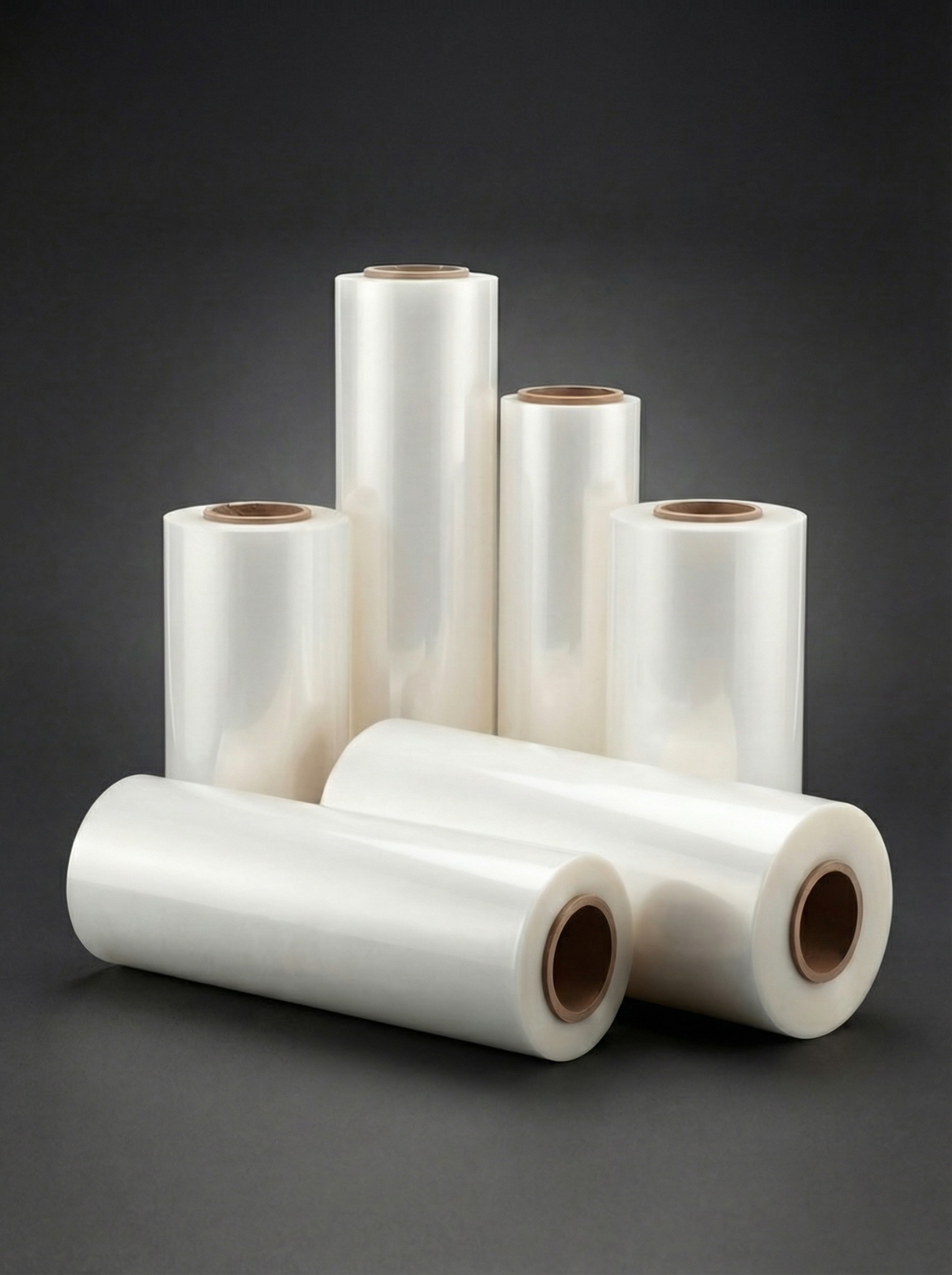
Centre-folded clear shrink film rolls in assorted widths
Share this

Shrink film may look like a straightforward consumable, but its performance depends on several connected decisions: the film type, width and thickness; the product being wrapped; the required finish; and the sealer and shrink tunnel applying it.

A film that performs well on one line may cause poor seals, excess material use or an inconsistent finish on another. The most reliable approach is to specify the film and machinery as one packaging process rather than treating them as separate purchases.

Severn Packaging now brings shrink film supply together with shrink-wrapping machinery, trials and application support. This gives customers one route for reviewing the product, film and equipment before a specification is agreed.

What is shrink film?

Shrink film is a heat-responsive packaging material. The product is enclosed or collated in film, the film is sealed, and controlled heat causes it to contract around the pack. Depending on the application, the finished pack can provide product protection, grouping, tamper evidence or a clear retail presentation.

Shrink packaging is used across food, household goods, cosmetics, stationery, toys, industrial products and multipacks. The correct material varies because a bakery product, printed box and heavy industrial multipack place very different demands on the film.

POF shrink film versus PE shrink film

Polyolefin (POF) shrink film

POF shrink film is commonly chosen when clarity, presentation and balanced shrink are priorities. It is suitable for many retail and transit applications and can be supplied in a range of thicknesses and widths to suit different sealers.

The supplied film brochure describes a five-layer co-extruded POF construction. Multiple layers are combined into one film structure to balance clarity, strength and shrink performance. The manufacturing range covers 10–30 micron, while the machinery catalogue lists compatible POF ranges that vary by machine. The final specification should therefore be confirmed against the actual equipment and product.

Polyethylene (PE) shrink film

PE shrink film is generally selected for stronger collation and industrial applications, including grouped products and larger packs. It is commonly used with sleeve-wrapping systems where robust containment is more important than a close retail-style finish.

The choice should not be reduced to POF for small products and PE for large ones. Product weight, sharp edges, pack stability, presentation and the sealing system all affect the decision.

Seven factors that determine the right film

1. Product dimensions and shape

Film width must suit the product and the machine’s sealing geometry. Too narrow and the pack cannot be enclosed reliably; too wide and the line may consume unnecessary material or produce untidy seals. Irregular products also need enough film to move through the sealing area without snagging.

2. Product weight and edges

Heavy products, sharp corners and abrasive surfaces place more stress on the film. A stronger construction, different thickness or modified pack arrangement may be required. The thinnest film is not automatically the most efficient if it causes tears, rejects or rework.

3. Required pack finish

A high-clarity retail pack, a protective transit wrap and an industrial multipack have different priorities. Confirm whether the main objective is presentation, tamper evidence, grouping, surface protection or load containment before comparing film specifications.

4. Sealing equipment

Hooded chamber machines, L-sealers, continuous side sealers and sleeve wrappers handle film differently. The machine’s maximum film width, sealing system and approved material range must be checked before a film is trialled.

5. Shrink tunnel and temperature profile

The tunnel must apply heat evenly and for long enough to achieve the intended finish without distorting or damaging the product. Airflow, temperature and conveyor speed should be established during trials rather than copied from an unrelated pack.

6. Film presentation

Centre-folded film allows a product to enter between two layers and is widely used with L-sealers and continuous systems. Hot perforation can help trapped air, steam or moisture escape. These are application choices, not automatic upgrades: the product and line determine whether they are appropriate.

7. Supply continuity

Film is a production-critical consumable. A good specification must be repeatable and available in the required widths and quantities. Agree forecasting, stockholding and lead-time expectations once the film has been approved on the line.

Why film-machine compatibility matters

Poor film performance is not always a film fault. Seal temperature, dwell time, conveyor speed, tunnel airflow, roll alignment and product spacing can all change the result. Equally, adjusting machinery cannot compensate for a film that is unsuitable for the application.

A combined trial helps separate these variables. Representative products can be run using a proposed film, then seal integrity, shrink appearance, product stability and ease of operation can be assessed together.

Common shrink-film specification mistakes

  • Selecting film by price per roll without comparing usable yield or rejected packs.
  • Choosing thickness before reviewing product weight, edges and the required finish.
  • Changing film without checking the machine’s approved width and material range.
  • Using one temperature and speed setting for substantially different products.
  • Reducing film too aggressively before validating seal strength and pack protection.
  • Approving a trial roll without documenting the exact specification for repeat supply.

A practical approval process

Start with the product, current pack and operational objective. Shortlist a suitable film type and format, then run representative trials on the intended equipment. Record the approved width, thickness, presentation, seal and tunnel settings, and acceptable finished-pack standard. Finally, agree a repeat-supply plan around forecast consumption.

This process avoids treating film as an isolated commodity. It creates a defined packaging specification that operators, buyers and suppliers can work from.

Frequently asked questions

Is POF shrink film recyclable?

POF film is technically recyclable, but collection and acceptance vary by local recycling infrastructure. Disposal wording should be confirmed for the chosen film and the markets in which the finished pack will be sold.

What thickness of shrink film do I need?

There is no universal thickness. The product, film construction, sealing equipment, required finish and distribution risk all matter. A trial is the safest way to confirm the lowest suitable specification without weakening the pack.

Can shrink film be perforated?

Yes. Perforation can allow trapped air, steam or moisture to escape, but the pattern must be appropriate for the product and pack requirement.

Can I change shrink-film supplier without changing my machine?

Often, yes, provided the replacement film is compatible with the equipment and validated using representative products. Machine settings may need adjustment and should be documented after the trial.

Choose the film and process together

The best shrink film is not simply the clearest, thickest or cheapest roll. It is the material that runs reliably on the line, produces the required finish and can be supplied consistently.

Severn Packaging can review your products, current equipment and finished-pack requirements, then recommend and trial a suitable shrink-film specification. Contact our team to discuss POF or PE shrink film, machine compatibility and ongoing supply.
Need advice?
Book a free packaging audit
Our engineers visit your site, review your flow, and send a 90-day action plan.