Paper First, Plastic Less: Choosing the right paper-based protective packaging

September 15, 2026

When peak season hits, orders surge and every second at the packing bench counts. If you want to cut plastic without slowing your team down, paper-first protective packaging can help protect products, keep presentation tidy, and control grams-per-order — the weight of packaging used for each order.

This guide compares Hexcel Wrap, Hexcel MiniPack, Hexafil, Protega pads, and paper mailers and tape, showing which options suit fragile gifts, heavier items, and premium unboxing. You will also find throughput pointers for busy benches, dispenser placement tips, Auto Hexafil standardisation guidance, and notes on integrating paper with tabletop baggers on mixed SKU lines.

Use it to prepare for Q4 and manage back-to-school returns while keeping waste down and orders moving.

What protective packaging means in practice

Protective packaging is any material or system that cushions, stabilises, or shields a product through pick, pack, and transit so it arrives fit for sale. Examples include honeycomb paper wraps for delicate items, paper void fill for blocking and bracing, and denser paper pads for heavier goods. The aim is simple: reduce movement and absorb shocks using the least material that still does the job.

If you are exploring fundamentals and definitions, our article on protective packaging explains core types and where they fit best in the packroom.

Quick selector: match the paper system to the job

Use this at the bench when choosing how to protect an order.

  • Fragile gifts and premium unboxing
    • Use: Hexcel Wrap or Hexcel MiniPack
    • Why: Conforming honeycomb wrap, neat finish, plastic-free swap for bubble
    • Grams-per-order: measure the wrap needed for adequate protection; honeycomb expansion alone does not establish a weight saving over bubble wrap
    • Throughput: fast once the dispenser is sited close to reach and tear
  • Mixed items with light-to-medium weight
    • Use: Hexafil paper void fill
    • Why: On-demand void fill that locks items in place and reduces overpacking
    • Grams-per-order: presets can help control usage when matched to the order
    • Throughput: very fast with pre-set lengths and foot-pedal operation
  • Heavier or high-value products
    • Use: Protega paper pads
    • Why: Denser pads for bracing and corner protection
    • Grams-per-order: heavier pads may need fewer pieces; check the total used per order
    • Throughput: efficient with floor-stand or overhead feed into bins
  • Return-ready apparel or soft goods
    • Use: Right-sized paper mailers and paper tape
    • Why: Curbside-recyclable, tidy sealing, no separate outer box in many cases
    • Grams-per-order: minimised by right-sizing and removing unnecessary void fill
    • Throughput: quick if mailers are pre-staged by size

System-by-system guidance

Hexcel Wrap and Hexcel MiniPack

  • Best for: cosmetics, candles, ceramics, small electronics accessories, jewellery, and gifts where presentation matters.
  • Protection: The honeycomb structure expands and moulds to shape, reducing micro-movement.
  • Unboxing: Premium look with a plastic-free story that customers recognise.
  • Bench tips: Position the dispenser in front of you, within easy reach of your main working hand. Pre-tear common lengths for top-volume SKUs during off-peak minutes.
  • MiniPack: A compact route for smaller benches or multiple mobile stations that need the same wrap close by.

Hexafil paper void fill

  • Best for: blocking and bracing mixed orders in cartons.
  • Protection: Creates resilient paper cushions that stop items shifting in transit.
  • Standardisation: Use Auto Hexafil presets so operators trigger the same length every time, helping keep material use and packing speed consistent across shifts.
  • Bench tips: Angle the outlet into a tote or bin that sits at elbow height. Keep the foot pedal clear under the dominant foot to avoid shuffle delays.
  • Throughput: On-demand paper void fill helps teams fill empty space without guessing lengths.

Explore machine and material options for paper void fill in our overview of the Auto Hexafil paper void fill machine.

Protega pads

  • Best for: denser bracing for heavier, more fragile, or higher-value SKUs.
  • Protection: Dense pads provide corner, edge, and base support; match the quantity to the product and carton.
  • Bench tips: Feed pads directly into mobile bins so multiple benches can pull from the same production point. Place bins on lockable castors beside the main bench to reduce turns.

Paper mailers and paper tape

  • Best for: apparel, soft goods, stationery, and return-friendly packs.
  • Protection: Right-sized paper mailers eliminate unneeded void fill for non-fragiles. Choose paper tape compatible with the pack’s recycling requirements.
  • Returns: Clear opening and reseal instructions help during January returns or back-to-school exchanges.

Where each paper option excels during Q4 and returns

  • Black Friday through Christmas:
    • Hexcel Wrap gives giftable items a neat, consistent finish without layers of fiddly tissue.
    • Hexafil handles volume void fill with predictable lengths across long shifts.
    • Protega pads protect heavier seasonal items like cookware and tool bundles.
    • Paper mailers keep apparel flowing with minimal steps.
  • Back-to-school and January returns:
    • Use paper mailers for rebagging soft goods quickly; standardise sizes and keep stacks at hip height.
    • Hexafil helps repack mixed accessory orders without hunting for odd dunnage.
    • Reserve Protega pads for bulky or fragile returns that will be resold after inspection.

Throughput, grams-per-order, and dispenser placement

  • Throughput: Position dispensers within a short, comfortable reach and keep foot pedals easy to operate. Reduce torso turns by presenting paper from the front or slight dominant-side angle.
  • Grams-per-order: Lock in standard lengths on Auto Hexafil for your most common carton sizes. Train teams to add in increments rather than over-pulling a single long run.
  • Cross-training: Use short, visual standard operating procedures (SOPs) at eye level and keep the first carton and paper examples on the bench as a quick-reference sample.

If you are building a wider improvement plan, our packaging equipment hub shows how machines and materials can be combined for consistent, faster packing.

Integrating paper with tabletop baggers on mixed SKU lines

Paper-first protection can work alongside compact bagging on lines handling different products (SKUs). If the bags contain plastic, the complete pack will not be plastic-free, even when the outer protection is paper-based. A practical pattern is:

  • Present small parts or apparel in machine-compatible bags-on-roll on a tabletop bagging machine for fast sealing, then place bagged items into a right-sized box or paper mailer.
  • Use Hexafil to block and brace any remaining space, or switch to Hexcel Wrap for a premium gift layer.
  • Keep an adjacent bin of Protega pads for heavier or fragile items within the same order.

For mixed lines, a tabletop bagging machine can sit side-by-side with Auto Hexafil, minimising walking between sealing and void fill. If you are planning automation steps or infeed changes, see how automated packaging systems can be staged to suit seasonal peaks and SKU variety.

We provide machine-compatible consumables for trial and commissioning; request sample rolls as part of a system validation.

Operator checklist for busy benches

  • Place the paper outlet within one short reach of the dominant hand.
  • Set Auto Hexafil presets for your top carton sizes and label them clearly.
  • Pre-stage paper mailers by size, smallest to largest, in grab racks at hip height.
  • Keep a small stack of pre-torn Hexcel lengths for best-selling gift SKUs.
  • Feed Protega pads into mobile bins; park one bin per two benches.
  • Run a 10-order sample each shift to confirm grams-per-order and adjust presets.

Short FAQ

What is protective packaging?

Materials and systems that prevent damage in transit by cushioning, stabilising, or shielding products so they arrive sale-ready.

What is an example of a protective packaging material?

Honeycomb paper wrap such as Hexcel Wrap is a plastic-free alternative that moulds around delicate items.

What is void fill paper?

Paper designed to create cushions that fill empty space in a box. Hexafil is a common example used to block and brace items.

What do you use to fill empty space in a box?

Use paper void fill for most mixed orders, or denser Protega pads for heavier goods. Right-sized cartons or paper mailers can remove the need for void fill altogether.

Which type of packaging is best?

The best option depends on the product weight, fragility, and presentation goals. As a rule: Hexcel for giftable wraps, Hexafil for everyday void fill, Protega pads for heavier items, and paper mailers for soft goods.

Summary and next steps

Paper-first systems can cut plastic, reduce grams-per-order, and keep benches fast when matched to the right jobs. Use Hexcel for premium wraps, Hexafil for everyday void fill with Auto presets, Protega pads for heavier goods, and paper mailers with paper tape for soft goods and returns. Place dispensers smartly, standardise lengths, and keep materials within one short reach of the operator.

If you would like help mapping materials to your workflow, request a free packaging review, samples, or an on-bench trial. You can also explore paper bubble wrap options like Hexcel Wrap, learn more about paper voidfill and how Auto Hexafil is set up, or see how fulfilment automation can support throughput across busy mixed SKU lines.


More News

View all
Blog / Materials

Paper First, Plastic Less: Choosing the right paper-based protective packaging

Compare Hexcel, Hexafil, Protega pads, and paper mailers to cut plastic, control grams-per-order, and keep pack benches fast. See which paper works when.

September 15, 2026
8 min read
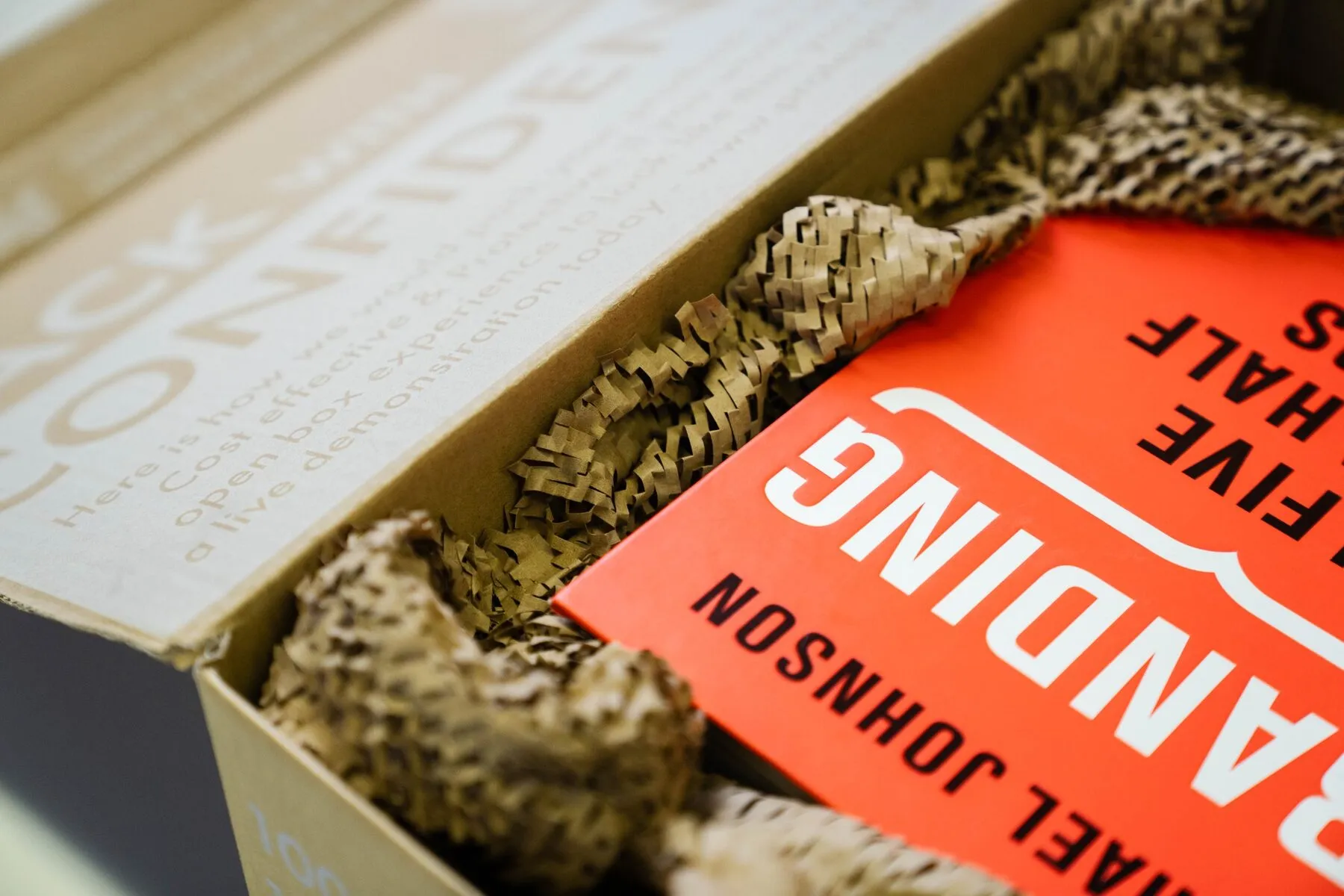
Expanded paper void fill cushioning a book inside a cardboard shipping box
Share this

When peak season hits, orders surge and every second at the packing bench counts. If you want to cut plastic without slowing your team down, paper-first protective packaging can help protect products, keep presentation tidy, and control grams-per-order — the weight of packaging used for each order.

This guide compares Hexcel Wrap, Hexcel MiniPack, Hexafil, Protega pads, and paper mailers and tape, showing which options suit fragile gifts, heavier items, and premium unboxing. You will also find throughput pointers for busy benches, dispenser placement tips, Auto Hexafil standardisation guidance, and notes on integrating paper with tabletop baggers on mixed SKU lines.

Use it to prepare for Q4 and manage back-to-school returns while keeping waste down and orders moving.

What protective packaging means in practice

Protective packaging is any material or system that cushions, stabilises, or shields a product through pick, pack, and transit so it arrives fit for sale. Examples include honeycomb paper wraps for delicate items, paper void fill for blocking and bracing, and denser paper pads for heavier goods. The aim is simple: reduce movement and absorb shocks using the least material that still does the job.

If you are exploring fundamentals and definitions, our article on protective packaging explains core types and where they fit best in the packroom.

Quick selector: match the paper system to the job

Use this at the bench when choosing how to protect an order.

  • Fragile gifts and premium unboxing
    • Use: Hexcel Wrap or Hexcel MiniPack
    • Why: Conforming honeycomb wrap, neat finish, plastic-free swap for bubble
    • Grams-per-order: measure the wrap needed for adequate protection; honeycomb expansion alone does not establish a weight saving over bubble wrap
    • Throughput: fast once the dispenser is sited close to reach and tear
  • Mixed items with light-to-medium weight
    • Use: Hexafil paper void fill
    • Why: On-demand void fill that locks items in place and reduces overpacking
    • Grams-per-order: presets can help control usage when matched to the order
    • Throughput: very fast with pre-set lengths and foot-pedal operation
  • Heavier or high-value products
    • Use: Protega paper pads
    • Why: Denser pads for bracing and corner protection
    • Grams-per-order: heavier pads may need fewer pieces; check the total used per order
    • Throughput: efficient with floor-stand or overhead feed into bins
  • Return-ready apparel or soft goods
    • Use: Right-sized paper mailers and paper tape
    • Why: Curbside-recyclable, tidy sealing, no separate outer box in many cases
    • Grams-per-order: minimised by right-sizing and removing unnecessary void fill
    • Throughput: quick if mailers are pre-staged by size

System-by-system guidance

Hexcel Wrap and Hexcel MiniPack

  • Best for: cosmetics, candles, ceramics, small electronics accessories, jewellery, and gifts where presentation matters.
  • Protection: The honeycomb structure expands and moulds to shape, reducing micro-movement.
  • Unboxing: Premium look with a plastic-free story that customers recognise.
  • Bench tips: Position the dispenser in front of you, within easy reach of your main working hand. Pre-tear common lengths for top-volume SKUs during off-peak minutes.
  • MiniPack: A compact route for smaller benches or multiple mobile stations that need the same wrap close by.

Hexafil paper void fill

  • Best for: blocking and bracing mixed orders in cartons.
  • Protection: Creates resilient paper cushions that stop items shifting in transit.
  • Standardisation: Use Auto Hexafil presets so operators trigger the same length every time, helping keep material use and packing speed consistent across shifts.
  • Bench tips: Angle the outlet into a tote or bin that sits at elbow height. Keep the foot pedal clear under the dominant foot to avoid shuffle delays.
  • Throughput: On-demand paper void fill helps teams fill empty space without guessing lengths.

Explore machine and material options for paper void fill in our overview of the Auto Hexafil paper void fill machine.

Protega pads

  • Best for: denser bracing for heavier, more fragile, or higher-value SKUs.
  • Protection: Dense pads provide corner, edge, and base support; match the quantity to the product and carton.
  • Bench tips: Feed pads directly into mobile bins so multiple benches can pull from the same production point. Place bins on lockable castors beside the main bench to reduce turns.

Paper mailers and paper tape

  • Best for: apparel, soft goods, stationery, and return-friendly packs.
  • Protection: Right-sized paper mailers eliminate unneeded void fill for non-fragiles. Choose paper tape compatible with the pack’s recycling requirements.
  • Returns: Clear opening and reseal instructions help during January returns or back-to-school exchanges.

Where each paper option excels during Q4 and returns

  • Black Friday through Christmas:
    • Hexcel Wrap gives giftable items a neat, consistent finish without layers of fiddly tissue.
    • Hexafil handles volume void fill with predictable lengths across long shifts.
    • Protega pads protect heavier seasonal items like cookware and tool bundles.
    • Paper mailers keep apparel flowing with minimal steps.
  • Back-to-school and January returns:
    • Use paper mailers for rebagging soft goods quickly; standardise sizes and keep stacks at hip height.
    • Hexafil helps repack mixed accessory orders without hunting for odd dunnage.
    • Reserve Protega pads for bulky or fragile returns that will be resold after inspection.

Throughput, grams-per-order, and dispenser placement

  • Throughput: Position dispensers within a short, comfortable reach and keep foot pedals easy to operate. Reduce torso turns by presenting paper from the front or slight dominant-side angle.
  • Grams-per-order: Lock in standard lengths on Auto Hexafil for your most common carton sizes. Train teams to add in increments rather than over-pulling a single long run.
  • Cross-training: Use short, visual standard operating procedures (SOPs) at eye level and keep the first carton and paper examples on the bench as a quick-reference sample.

If you are building a wider improvement plan, our packaging equipment hub shows how machines and materials can be combined for consistent, faster packing.

Integrating paper with tabletop baggers on mixed SKU lines

Paper-first protection can work alongside compact bagging on lines handling different products (SKUs). If the bags contain plastic, the complete pack will not be plastic-free, even when the outer protection is paper-based. A practical pattern is:

  • Present small parts or apparel in machine-compatible bags-on-roll on a tabletop bagging machine for fast sealing, then place bagged items into a right-sized box or paper mailer.
  • Use Hexafil to block and brace any remaining space, or switch to Hexcel Wrap for a premium gift layer.
  • Keep an adjacent bin of Protega pads for heavier or fragile items within the same order.

For mixed lines, a tabletop bagging machine can sit side-by-side with Auto Hexafil, minimising walking between sealing and void fill. If you are planning automation steps or infeed changes, see how automated packaging systems can be staged to suit seasonal peaks and SKU variety.

We provide machine-compatible consumables for trial and commissioning; request sample rolls as part of a system validation.

Operator checklist for busy benches

  • Place the paper outlet within one short reach of the dominant hand.
  • Set Auto Hexafil presets for your top carton sizes and label them clearly.
  • Pre-stage paper mailers by size, smallest to largest, in grab racks at hip height.
  • Keep a small stack of pre-torn Hexcel lengths for best-selling gift SKUs.
  • Feed Protega pads into mobile bins; park one bin per two benches.
  • Run a 10-order sample each shift to confirm grams-per-order and adjust presets.

Short FAQ

What is protective packaging?

Materials and systems that prevent damage in transit by cushioning, stabilising, or shielding products so they arrive sale-ready.

What is an example of a protective packaging material?

Honeycomb paper wrap such as Hexcel Wrap is a plastic-free alternative that moulds around delicate items.

What is void fill paper?

Paper designed to create cushions that fill empty space in a box. Hexafil is a common example used to block and brace items.

What do you use to fill empty space in a box?

Use paper void fill for most mixed orders, or denser Protega pads for heavier goods. Right-sized cartons or paper mailers can remove the need for void fill altogether.

Which type of packaging is best?

The best option depends on the product weight, fragility, and presentation goals. As a rule: Hexcel for giftable wraps, Hexafil for everyday void fill, Protega pads for heavier items, and paper mailers for soft goods.

Summary and next steps

Paper-first systems can cut plastic, reduce grams-per-order, and keep benches fast when matched to the right jobs. Use Hexcel for premium wraps, Hexafil for everyday void fill with Auto presets, Protega pads for heavier goods, and paper mailers with paper tape for soft goods and returns. Place dispensers smartly, standardise lengths, and keep materials within one short reach of the operator.

If you would like help mapping materials to your workflow, request a free packaging review, samples, or an on-bench trial. You can also explore paper bubble wrap options like Hexcel Wrap, learn more about paper voidfill and how Auto Hexafil is set up, or see how fulfilment automation can support throughput across busy mixed SKU lines.
Need advice?
Book a free packaging audit
Our engineers visit your site, review your flow, and send a 90-day action plan.