Sustainable Packaging Swaps That Cut Cost and Waste

May 18, 2026

Cut Cost and Waste by Measuring the Complete Pack

Sustainable packaging changes still need to protect the product, run reliably and make commercial sense. A lower material price is not a saving if it increases packing time, causes machine stoppages, creates larger parcels or allows more products to arrive damaged.

A more useful measure is total cost-to-protect per shipped order. This considers packaging material, labour, freight, damage and operational reliability together.

What Should Cost-to-Protect Include?

  • Packaging material: the quantity and cost used per order.
  • Labour: packing time, changeovers, replenishment, printing and labelling.
  • Freight: parcel dimensions, billed weight and carrier thresholds.
  • Damage and returns: replacement products, repeat shipping and handling.
  • Reliability: rejects, machine stoppages and material-related rework.
  • Compliance: relevant tax, records and customer requirements.

Measure the current pack before changing it. This creates a baseline for comparing material use, packing time and damage performance during a trial.

Swap 1: Right-Size Bags Around the Product

Using the smallest suitable bag can reduce material and improve presentation, but it must still allow reliable loading and a secure seal. The correct size should account for the product’s width, depth, shape and loading method.

Severn Packaging supplies pre-opened auto bags in stock and custom sizes. Options include recycled-content film, vents, easy-open perforations, specialist materials and custom printing.

For compatible e-commerce systems, fan-folded mail bags provide a compact material supply. Where a machine forms packs from roll-fed film, auto bagging film can be specified around the equipment, product, seal conditions and presentation requirements.

Swap 2: Select Recycled Content Around Performance

Increasing recycled content can reduce reliance on virgin plastic, but the percentage is only one part of the specification. Film thickness, stiffness, slip, clarity and seal behaviour all affect machine performance.

A material that causes poor opening, tracking problems or rejected seals can create additional waste. Samples should therefore be tested on the intended machine using representative products.

HMRC states that businesses manufacturing or importing 10 tonnes or more of finished plastic packaging components may need to register for UK Plastic Packaging Tax. Qualifying packaging containing less than 30% recycled plastic may be taxable. The rate is £228.82 per tonne from 1 April 2026. Check the latest HMRC guidance or obtain professional advice for your circumstances.

Swap 3: Trial Paper Protection Where It Suits the Product

Paper protection can be a strong alternative where it provides the required cushioning, wrapping or void-fill performance. The right choice depends on product weight, fragility, surface finish, outer carton and distribution environment.

  • HexcelWrap expands into a honeycomb structure for wrapping and interleaving.
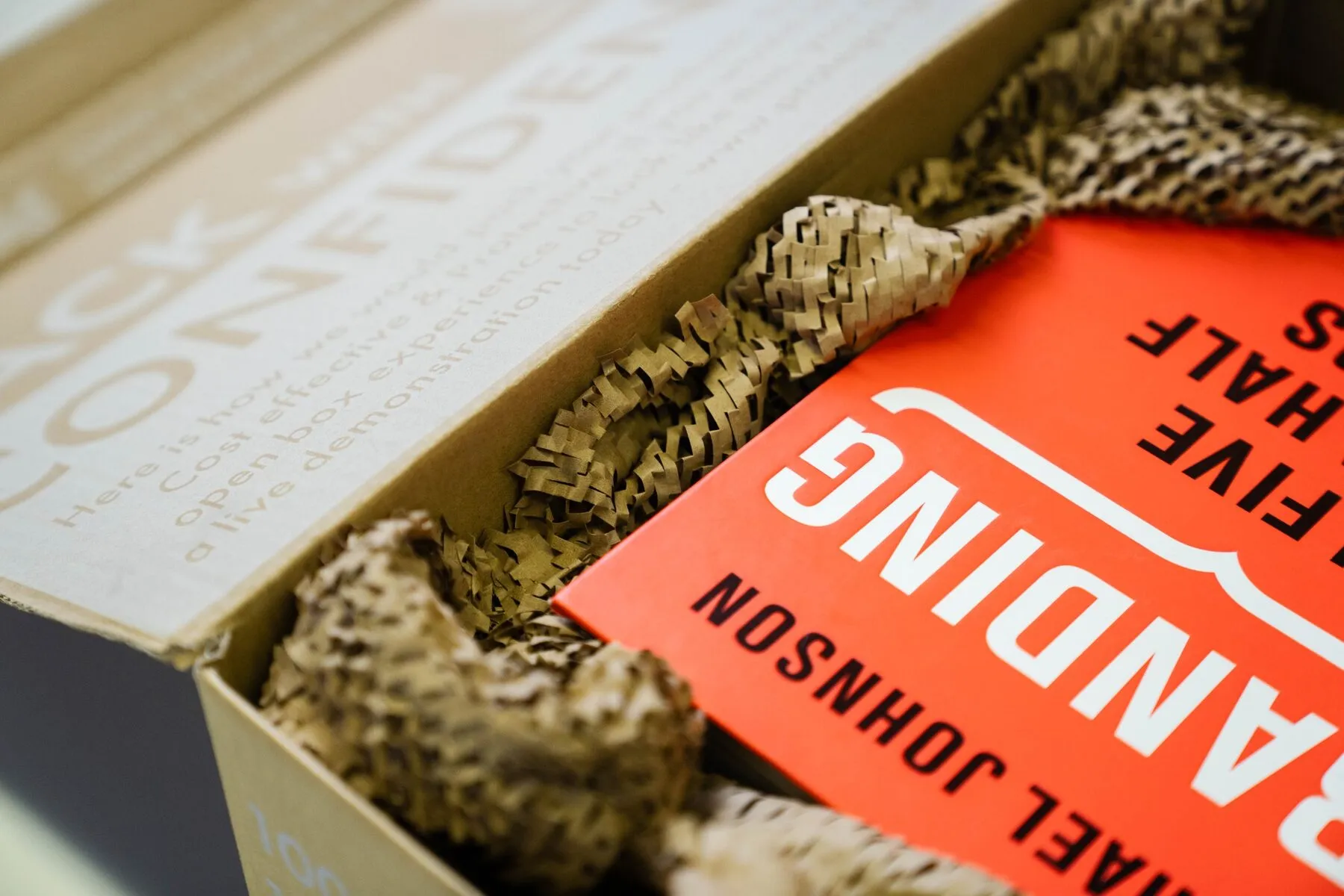
  • Hexafil produces high-loft paper void fill for holding products in place.
  • Paper cushioning provides structured pads for wrapping, blocking and bracing.
  • Cardboard shredders convert suitable waste cartons into reusable protective packaging.

Paper is not automatically best for every product. Compare packing time, material weight, presentation and damage performance against the current solution.

Swap 4: Use Inflatable Protection Efficiently

Inflatable packaging is stored flat before use, reducing the space required for pre-filled protection. The Cirrus range produces air pillows, Multipocket cushioning and SoftLayer material on demand.

Air pillows suit void filling, Multipocket combines wrapping and void fill, and SoftLayer provides soft protective wrapping for suitable products. For higher-volume operations, delivery systems can supply one or multiple packing stations.

Swap 5: Remove Repetitive Packing Steps

The SEVERN-DT tabletop bagging machine opens and presents pre-opened bags, heat-seals the completed pack and advances the next bag. Optional inline printing can add descriptions, barcodes and variable information directly to the bag, removing a separate product-labelling stage where the workflow is suitable.

For repeatable products, the SEVERN-DT can be combined with counting, weighing and feeding systems, including the SEVERN-CC, SEVERN-CS and SEVERN-BF.

For varied fulfilment orders, the e-commerce bagging machine forms right-sized, four-side-sealed dispatch bags from roll-fed film and labels them inline.

Swap 6: Review Pallet Film and Settings Together

Film, pre-stretch, applied tension, wrap pattern and load shape all influence containment. Robopac turntable, low-profile, rotary-arm and mobile pallet wrappers apply a programmed cycle more consistently than manual wrapping.

When paired with suitable machine stretch film, a controlled trial can compare material used per pallet and finished-load performance. The objective is to achieve the required stability with an efficient, repeatable specification—not simply choose the thinnest film.

A Simple One-Week Packaging Trial

  1. Select representative products. Include common, difficult, heavy and fragile orders.
  2. Record the current process. Measure material, time, pack dimensions and existing damage.
  3. Change one variable at a time. This shows which change produced the result.
  4. Time realistic cycles. Include loading, replenishment, printing and changeovers.
  5. Test distribution performance. Monitor trial shipments or use appropriate transit testing.
  6. Calculate cost-to-protect. Combine material, labour, freight, damage and operational effects.

Packaging Sustainability FAQs

What is the most sustainable packaging?

There is no single answer for every application. A strong option uses only the material required to protect the product, runs reliably, limits damage and has a realistic end-of-life route.

Does paper packaging always reduce waste?

No. If considerably more material is required or damage increases, the overall result may be worse. Trial the complete pack before changing at scale.

Can plastic packaging form part of a sustainable strategy?

Yes. Right-sizing, suitable recycled content, reliable machine performance and clear recycling information can all reduce impact. Consider material weight and product protection rather than material type alone.

How can automation reduce packaging waste?

Automation can improve repeatability, produce consistent seals, integrate printing and control pack size. Any saving should be verified through application testing.

Make Changes Based on Evidence

The most credible improvements are measurable. Start with the current pack, identify the largest source of cost or waste and run a controlled trial using representative products.

Severn Packaging can review bagging, protective packaging and pallet-wrapping applications and help structure trials around achievable performance.

Contact Severn Packaging to discuss a packaging review or application trial.

More News

View all
Blog / Packaging

Sustainable Packaging Swaps That Cut Cost and Waste

Practical ways to reduce packaging material, labour and damage through right-sizing, recycled-content film, paper protection and efficient automation.

May 18, 2026
8 min read
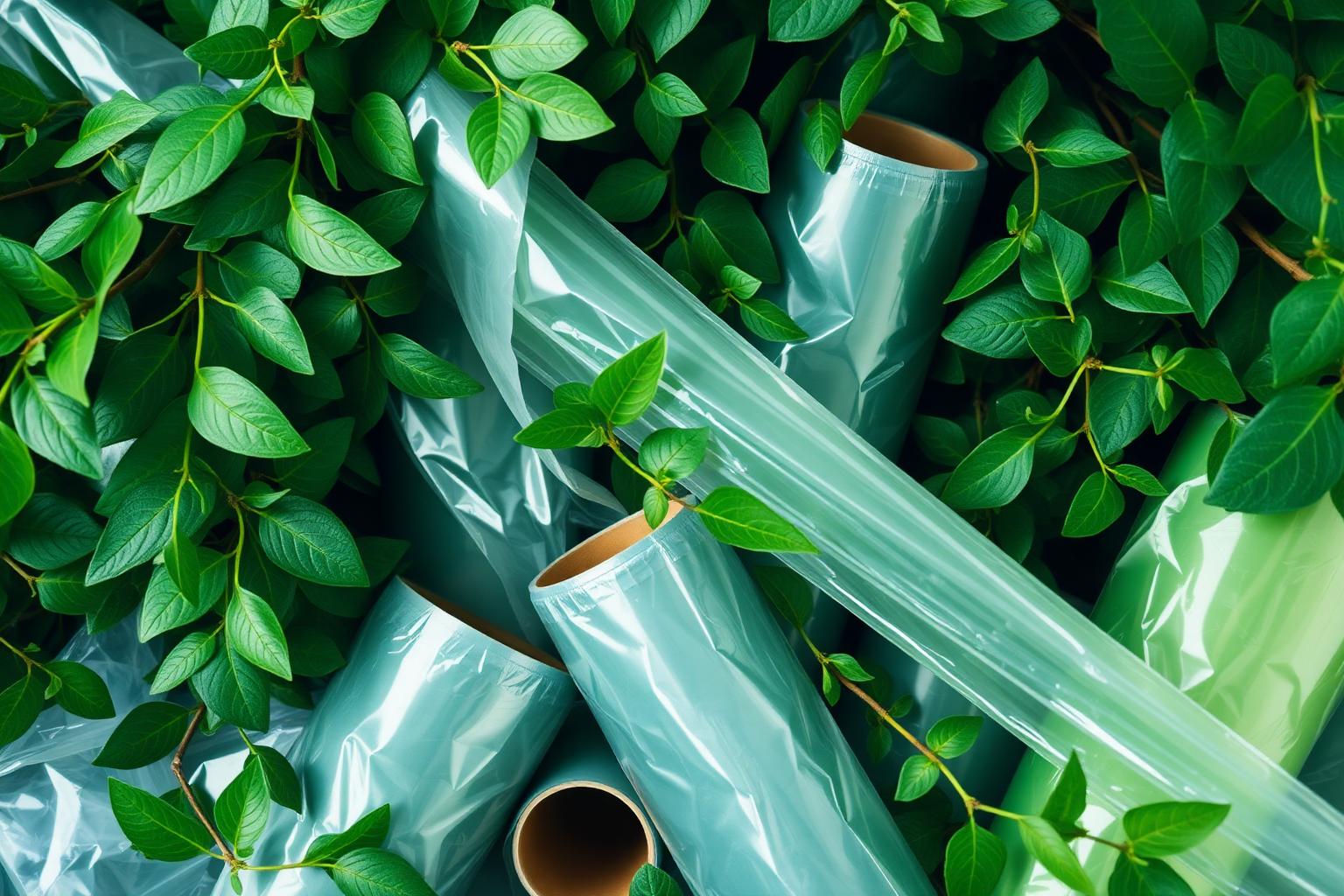
Packaging film rolls surrounded by green leaves representing lower-waste packaging choices
Share this

Cut Cost and Waste by Measuring the Complete Pack

Sustainable packaging changes still need to protect the product, run reliably and make commercial sense. A lower material price is not a saving if it increases packing time, causes machine stoppages, creates larger parcels or allows more products to arrive damaged.

A more useful measure is total cost-to-protect per shipped order. This considers packaging material, labour, freight, damage and operational reliability together.

What Should Cost-to-Protect Include?

  • Packaging material: the quantity and cost used per order.
  • Labour: packing time, changeovers, replenishment, printing and labelling.
  • Freight: parcel dimensions, billed weight and carrier thresholds.
  • Damage and returns: replacement products, repeat shipping and handling.
  • Reliability: rejects, machine stoppages and material-related rework.
  • Compliance: relevant tax, records and customer requirements.

Measure the current pack before changing it. This creates a baseline for comparing material use, packing time and damage performance during a trial.

Swap 1: Right-Size Bags Around the Product

Using the smallest suitable bag can reduce material and improve presentation, but it must still allow reliable loading and a secure seal. The correct size should account for the product’s width, depth, shape and loading method.

Severn Packaging supplies pre-opened auto bags in stock and custom sizes. Options include recycled-content film, vents, easy-open perforations, specialist materials and custom printing.

For compatible e-commerce systems, fan-folded mail bags provide a compact material supply. Where a machine forms packs from roll-fed film, auto bagging film can be specified around the equipment, product, seal conditions and presentation requirements.

Swap 2: Select Recycled Content Around Performance

Increasing recycled content can reduce reliance on virgin plastic, but the percentage is only one part of the specification. Film thickness, stiffness, slip, clarity and seal behaviour all affect machine performance.

A material that causes poor opening, tracking problems or rejected seals can create additional waste. Samples should therefore be tested on the intended machine using representative products.

HMRC states that businesses manufacturing or importing 10 tonnes or more of finished plastic packaging components may need to register for UK Plastic Packaging Tax. Qualifying packaging containing less than 30% recycled plastic may be taxable. The rate is £228.82 per tonne from 1 April 2026. Check the latest HMRC guidance or obtain professional advice for your circumstances.

Swap 3: Trial Paper Protection Where It Suits the Product

Paper protection can be a strong alternative where it provides the required cushioning, wrapping or void-fill performance. The right choice depends on product weight, fragility, surface finish, outer carton and distribution environment.

  • HexcelWrap expands into a honeycomb structure for wrapping and interleaving.
  • Hexafil produces high-loft paper void fill for holding products in place.
  • Paper cushioning provides structured pads for wrapping, blocking and bracing.
  • Cardboard shredders convert suitable waste cartons into reusable protective packaging.

Paper is not automatically best for every product. Compare packing time, material weight, presentation and damage performance against the current solution.

Swap 4: Use Inflatable Protection Efficiently

Inflatable packaging is stored flat before use, reducing the space required for pre-filled protection. The Cirrus range produces air pillows, Multipocket cushioning and SoftLayer material on demand.

Air pillows suit void filling, Multipocket combines wrapping and void fill, and SoftLayer provides soft protective wrapping for suitable products. For higher-volume operations, delivery systems can supply one or multiple packing stations.

Swap 5: Remove Repetitive Packing Steps

The SEVERN-DT tabletop bagging machine opens and presents pre-opened bags, heat-seals the completed pack and advances the next bag. Optional inline printing can add descriptions, barcodes and variable information directly to the bag, removing a separate product-labelling stage where the workflow is suitable.

For repeatable products, the SEVERN-DT can be combined with counting, weighing and feeding systems, including the SEVERN-CC, SEVERN-CS and SEVERN-BF.

For varied fulfilment orders, the e-commerce bagging machine forms right-sized, four-side-sealed dispatch bags from roll-fed film and labels them inline.

Swap 6: Review Pallet Film and Settings Together

Film, pre-stretch, applied tension, wrap pattern and load shape all influence containment. Robopac turntable, low-profile, rotary-arm and mobile pallet wrappers apply a programmed cycle more consistently than manual wrapping.

When paired with suitable machine stretch film, a controlled trial can compare material used per pallet and finished-load performance. The objective is to achieve the required stability with an efficient, repeatable specification—not simply choose the thinnest film.

A Simple One-Week Packaging Trial

  1. Select representative products. Include common, difficult, heavy and fragile orders.
  2. Record the current process. Measure material, time, pack dimensions and existing damage.
  3. Change one variable at a time. This shows which change produced the result.
  4. Time realistic cycles. Include loading, replenishment, printing and changeovers.
  5. Test distribution performance. Monitor trial shipments or use appropriate transit testing.
  6. Calculate cost-to-protect. Combine material, labour, freight, damage and operational effects.

Packaging Sustainability FAQs

What is the most sustainable packaging?

There is no single answer for every application. A strong option uses only the material required to protect the product, runs reliably, limits damage and has a realistic end-of-life route.

Does paper packaging always reduce waste?

No. If considerably more material is required or damage increases, the overall result may be worse. Trial the complete pack before changing at scale.

Can plastic packaging form part of a sustainable strategy?

Yes. Right-sizing, suitable recycled content, reliable machine performance and clear recycling information can all reduce impact. Consider material weight and product protection rather than material type alone.

How can automation reduce packaging waste?

Automation can improve repeatability, produce consistent seals, integrate printing and control pack size. Any saving should be verified through application testing.

Make Changes Based on Evidence

The most credible improvements are measurable. Start with the current pack, identify the largest source of cost or waste and run a controlled trial using representative products.

Severn Packaging can review bagging, protective packaging and pallet-wrapping applications and help structure trials around achievable performance.

Contact Severn Packaging to discuss a packaging review or application trial.

Need advice?
Book a free packaging audit
Our engineers visit your site, review your flow, and send a 90-day action plan.